
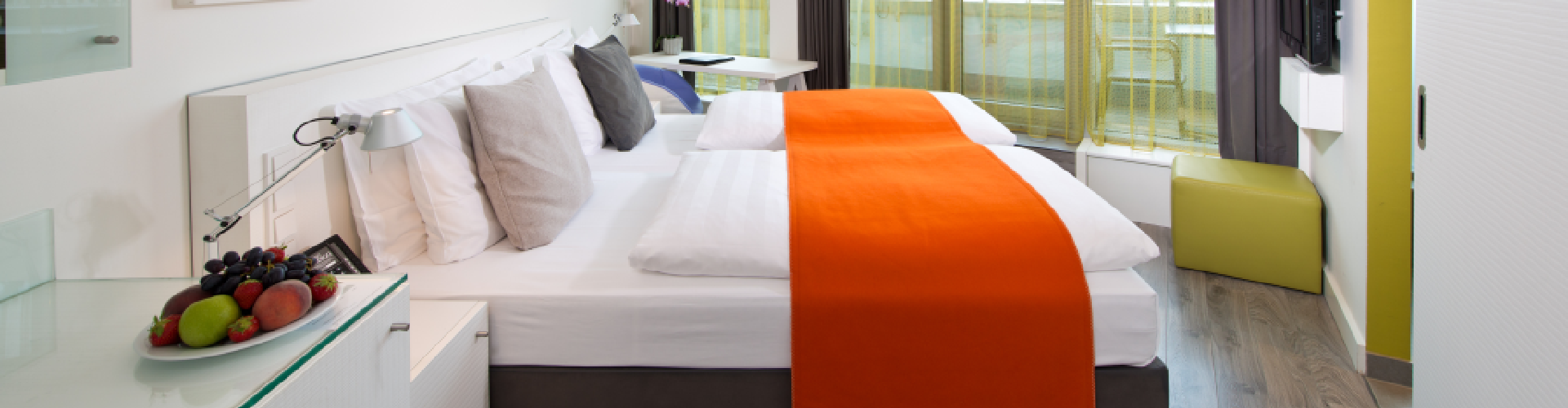

- Distinctive design with https://bonrushs-uk.uk and enduring home aesthetics
- The Importance of Design Cohesion
- Understanding Your Personal Style
- The Role of Furnishings in Defining a Space
- The Impact of Texture and Material
- Lighting as a Design Element
- Layering Light for Depth and Dimension
- The Enduring Appeal of Classic Design Principles
- Beyond Aesthetics: Cultivating a Home for Well-Being
Distinctive design with https://bonrushs-uk.uk and enduring home aesthetics
Creating a beautiful and functional home requires careful consideration of design elements, and often, the right furnishings can make all the difference. Many individuals seek unique pieces that reflect their personal style and enhance their living spaces. Finding those special items can be a challenge, but resources like https://bonrushs-uk.uk aim to simplify the process, offering a curated selection of distinctive home decor and design solutions. They specialize in bringing a sense of enduring aesthetic to homes across the UK.
The pursuit of a well-designed home isn't merely about aesthetics; it's about creating an environment that promotes comfort, functionality, and well-being. Thoughtfully chosen pieces can transform a house into a home, fostering a sense of peace and individuality. From selecting the right colour palettes to incorporating textures and materials, every detail contributes to the overall atmosphere. A cohesive design scheme improves not only the visual appeal of a space but also how inhabitants feel within it. Investing in quality furnishings and décor is an investment in your daily life and long-term happiness.
The Importance of Design Cohesion
Achieving a harmonious interior design isn't about adhering to rigid rules, but rather about creating a space where all elements work together seamlessly. This cohesion extends beyond simply matching colours or styles; it involves considering the proportions of furniture, the flow of light, and the overall functionality of the room. A well-designed space will feel balanced and inviting, fostering a sense of calm and order. Often, the subtle details are what truly elevate a room from ordinary to extraordinary. These details can range from carefully chosen artwork to the texture of textiles and the placement of accessories.
Understanding Your Personal Style
Before embarking on any design project, it’s essential to understand your own personal style. This involves identifying the aesthetics that you are naturally drawn to, whether it’s the clean lines of minimalism, the warmth of rustic farmhouse style, or the eclectic charm of bohemian decor. Consider the colours that make you feel happy and relaxed, and the materials that you find most appealing. Furthermore, reflect on the lifestyle you lead and how you want your home to support your daily activities. Your home should reflect who you are and how you live, and it’s important to be authentic when choosing design elements.
| Modern | Clean lines, neutral colours, minimalist décor | Urban dwellers, those who prefer a streamlined aesthetic |
| Rustic | Natural materials, warm tones, cozy atmosphere | Country homes, those who appreciate a relaxed and inviting feel |
| Bohemian | Eclectic mix of colours and patterns, vintage finds, global influences | Creative individuals, those who embrace individuality |
| Coastal | Light and airy colours, natural textures, seaside-inspired décor | Beach houses, those who desire a relaxed and breezy atmosphere |
Selecting a style that resonates with you will make the design process more enjoyable and ensure that the result is a space that you truly love. Resources like design blogs and magazines can also provide inspiration and help you identify your preferences. Remember, there are no hard and fast rules when it comes to design, so feel free to experiment and create a space that is uniquely your own.
The Role of Furnishings in Defining a Space
Furnishings play a pivotal role in defining the character and functionality of a room. Choosing the right pieces involves considering not only their aesthetic appeal but also their practicality and durability. Investing in high-quality furniture that is built to last is a wise decision, as it will save you money in the long run and contribute to a more sustainable lifestyle. Consider the scale of the room when selecting furniture, ensuring that pieces are appropriately sized and don't overwhelm the space. A carefully curated selection of furnishings can transform a bare room into a comfortable and inviting haven.
The Impact of Texture and Material
The textures and materials used in furnishings can significantly impact the overall feel of a space. Soft fabrics like velvet and linen create a sense of luxury and comfort, while natural materials like wood and stone add warmth and earthiness. Combining different textures can add depth and visual interest to a room, preventing it from feeling flat or monotonous. Consider the tactile experience of materials, as this can contribute to the overall sense of well-being within a space. For example, a plush rug underfoot can create a cozy and inviting atmosphere, while smooth metal accents can add a touch of sophistication.
- Prioritize quality craftsmanship for long-lasting pieces.
- Consider the scale of the room when choosing furniture.
- Mix and match textures for added visual interest.
- Don't be afraid to incorporate vintage or antique finds.
- Choose colours and materials that complement your personal style.
Integrating these factors into the selection process ensures a space that is both aesthetically pleasing and functionally sound. Remember, the goal is to create a home that you love, one that reflects your personality and supports your lifestyle. Exploring options from a provider like https://bonrushs-uk.uk can expose you to a wider range of styles and quality options.
Lighting as a Design Element
Lighting is often overlooked, but it is one of the most powerful tools in a designer’s arsenal. It can dramatically alter the mood and atmosphere of a room, and it can also highlight key features and create focal points. There are three primary types of lighting: ambient, task, and accent. Ambient lighting provides overall illumination, task lighting is used for specific activities like reading or cooking, and accent lighting is used to highlight artwork or architectural details. A well-designed lighting scheme will incorporate all three types of lighting to create a balanced and functional space.
Layering Light for Depth and Dimension
Layering light involves combining different types of lighting to create depth and dimension. For example, you might use a combination of recessed lighting, floor lamps, and table lamps to illuminate a living room. This creates a more inviting and comfortable atmosphere than relying solely on a single overhead light fixture. Consider the colour temperature of your light bulbs, as this can also impact the mood of a room. Warmer tones create a cozy and relaxing atmosphere, while cooler tones are more energizing and stimulating. Don't be afraid to experiment with different lighting techniques to find what works best for your space.
- Start with ambient lighting to provide overall illumination.
- Add task lighting for specific activities.
- Use accent lighting to highlight key features.
- Experiment with different colour temperatures.
- Consider using dimmers to control the intensity of the light.
Effective lighting transforms a space, and enhances the beauty of the furnishings and décor. Careful planning of lighting elements can really elevate the aesthetic and functionality of a home. A resource like https://bonrushs-uk.uk can offer pieces that work with differing light conditions and styles.
The Enduring Appeal of Classic Design Principles
While trends come and go, certain design principles remain timeless. Symmetry, balance, proportion, and harmony are all fundamental elements of good design that have been appreciated for centuries. These principles can be applied to any style of décor, from traditional to modern. Creating a sense of balance in a room involves arranging furniture and accessories in a way that feels visually pleasing and harmonious. Proportion refers to the relationship between the size of objects and the overall space, ensuring that nothing feels too large or too small. These design principles are the foundation for creating spaces that are both beautiful and functional.
Adhering to these established ideas assures a space that feels well-considered and aesthetically pleasing, avoiding a dated or chaotic appearance. These elements combine to form a coherent and inviting environment. Utilizing these principles helps build a space that transcends fleeting trends, maintaining its appeal for years to come.
Beyond Aesthetics: Cultivating a Home for Well-Being
Thoughtful home design extends beyond simply creating a visually appealing space; it’s about fostering a sense of well-being and enhancing the quality of life. This involves considering how the design elements impact your mood, energy levels, and overall sense of comfort. Incorporating natural light, plants, and calming colours can create a more relaxing and restorative environment. Minimizing clutter and creating organized storage solutions can reduce stress and promote a sense of calm. Your home should be a sanctuary, a place where you can recharge and reconnect with yourself.
The emotional impact of our surroundings is profound, and consciously designing a space that supports our well-being is a powerful investment. For example, introducing biophilic design elements – bringing the outdoors in – can reduce stress and improve cognitive function. Choosing sustainable and eco-friendly materials not only benefits the environment but also contributes to a healthier indoor environment. A well-designed home is a gift that keeps on giving, providing a supportive and nurturing environment for years to come. Exploring the options presented by retailers like https://bonrushs-uk.uk is a step towards building such a home and considering these human factors.