
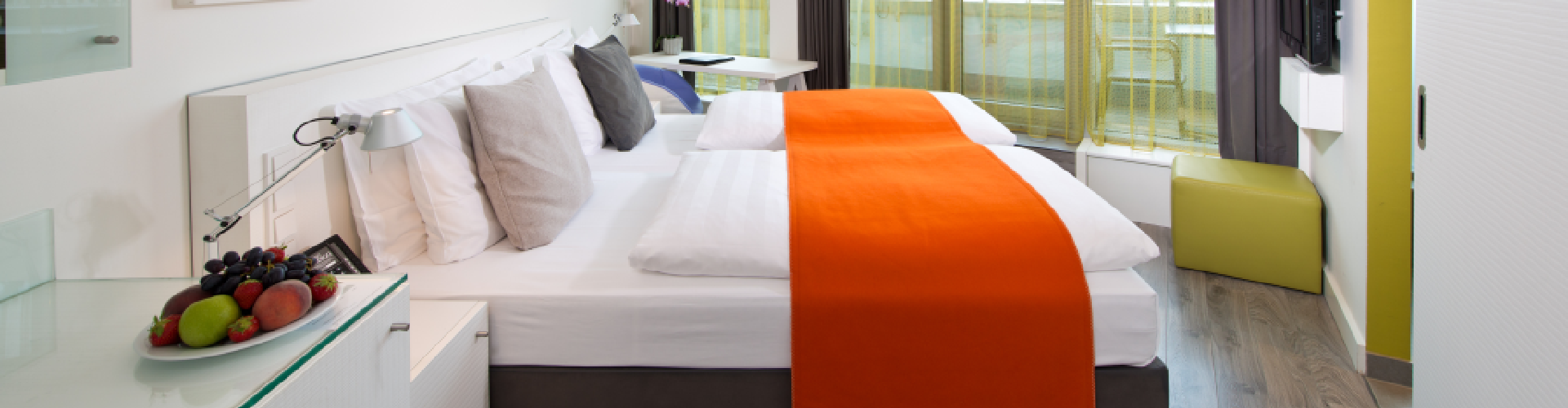

- Refined elegance from classic design to modern living with lillegrandpalais.co.uk
- The Allure of Classic Design Principles
- Bridging the Gap: Integrating Modern Living
- The Importance of Lighting and Ambiance
- Sustainable Design and the Modern Home
- The Future of Interior Design: Personalization and Technology
Refined elegance from classic design to modern living with lillegrandpalais.co.uk
The pursuit of a refined living space, one that seamlessly blends classic design principles with the demands of modern life, is a timeless aspiration. Many individuals and families are seeking homes that are not only aesthetically pleasing but also functionally intelligent, providing comfort, convenience and a sense of calm. lillegrandpalais.co.uk offers a curated selection of properties and design services aimed at fulfilling these desires, bridging the gap between heritage and innovation in the realm of interior design and property development. The company focuses on creating spaces which are both beautiful and practical, understanding that a home is more than just four walls; it’s a sanctuary and a reflection of personal style.
The brand’s philosophy revolves around a commitment to quality craftsmanship, meticulous attention to detail, and a deep appreciation for architectural heritage. They champion designs that stand the test of time, avoiding fleeting trends in favour of enduring elegance. This dedication extends beyond mere aesthetics, encompassing aspects like energy efficiency, sustainable materials, and smart home integration. Ultimately, lillegrandpalais.co.uk aims to empower clients to create homes that not only enhance their daily lives but also contribute to a more sustainable and harmonious future. Their approach is holistic, encompassing everything from initial concept development to final installation and finishing touches.
The Allure of Classic Design Principles
Classic design, encompassing styles like Georgian, Victorian, and Edwardian, continues to resonate with homeowners due to its inherent sense of sophistication and timelessness. These styles aren’t static relics of the past, but rather adaptable foundations upon which to build contemporary living spaces. Utilizing elements like symmetrical layouts, intricate mouldings, and high-quality natural materials creates an atmosphere of understated luxury and enduring appeal. A carefully considered colour palette, often featuring muted tones and subtle patterns, further contributes to the sense of harmony and refinement. The emphasis on proportion and balance, hallmarks of classic design, creates spaces that are inherently pleasing to the eye and conducive to relaxation.
However, simply replicating historic styles can often feel stuffy or outdated. The key to successfully integrating classic design principles into a modern home lies in careful curation and thoughtful adaptation. This involves selectively incorporating key elements—perhaps a beautifully restored fireplace, ornate cornicing, or elegant window treatments—while embracing contemporary furnishings and layouts. The goal isn't to create a museum-like reproduction, but rather a space that feels both rooted in the past and perfectly suited to present-day living. Ultimately, the integration of classic design is about achieving a harmonious balance between tradition and innovation.
| Design Element | Classic Approach | Modern Adaptation |
|---|---|---|
| Colour Palette | Rich, saturated colours; damasks and floral patterns | Neutral tones with pops of colour; geometric or abstract patterns |
| Furnishings | Heavy, ornate furniture; dark wood finishes | Streamlined furniture; lighter wood tones or metallic accents |
| Lighting | Chandeliers and sconces; warm, ambient light | Recessed lighting and statement fixtures; a mix of ambient and task lighting |
| Materials | Marble, wood panelling, silk | Sustainable materials, textured fabrics, glass |
The table above illustrates how these classical elements can be re-imagined for the modern age, maintaining the core spirit of elegance while increasing practicality and lending a contemporary edge. The careful consideration of each aspect is what separates a successful design from a mere imitation.
Bridging the Gap: Integrating Modern Living
While classic design provides a strong aesthetic foundation, contemporary living demands functionality and adaptability. Modern lifestyles often require open-plan living spaces, flexible workspaces, and integrated technology. Successfully bridging the gap between these two worlds necessitates a thoughtful approach to spatial planning and design execution. This often involves incorporating modern amenities—like smart home systems, energy-efficient appliances, and high-speed internet—seamlessly into classically inspired interiors. The key is to ensure that technology enhances, rather than detracts from, the overall aesthetic. For example, hidden wiring, integrated sound systems, and discreetly placed smart devices can provide all the conveniences of modern living without compromising the elegance of a classic space.
Further, the concept of open-plan living can be successfully integrated with classic design by defining zones within the space through the use of furniture, rugs, and subtle changes in flooring or wall treatments. This creates a sense of flow and connection while still maintaining a degree of visual separation. The careful selection of materials and finishes is also crucial. Combining traditional materials like wood and stone with contemporary materials like glass and metal can create a dynamic and visually interesting aesthetic. Ultimately, the goal is to create a space that feels both comfortable and sophisticated, seamlessly blending the best of both worlds.
- Prioritize functionality: ensure the space meets your practical needs.
- Embrace open-plan living with thoughtful zoning.
- Integrate technology discreetly.
- Choose materials that complement both classic and modern aesthetics.
- Focus on creating a harmonious balance between tradition and innovation.
Successfully navigating this integration requires an understanding that it is not about rigidly adhering to one style or another, but rather about creating a cohesive and personalized space that reflects the individual preferences and needs of the homeowner. A well-executed design will feel effortless and natural, as if the classic and modern elements have always belonged together.
The Importance of Lighting and Ambiance
Lighting plays an absolutely vital role in shaping the mood and atmosphere of any space, and it’s particularly crucial when blending classic and modern design elements. Classic interiors often rely on warm, ambient light, created through the use of chandeliers, sconces, and table lamps. However, modern living often requires more functional and directional lighting. Achieving the right balance requires layering different types of lighting to create a dynamic and versatile illumination scheme. This might involve combining a statement chandelier with recessed lighting, task lighting over work surfaces, and accent lighting to highlight architectural features or artwork. The use of dimmer switches is also essential, allowing you to adjust the intensity of the light to suit different activities and moods.
Equally important is the consideration of natural light. Maximizing the amount of natural light that enters a space can dramatically enhance its sense of spaciousness and vibrancy. This can be achieved through the use of large windows, skylights, and strategically placed mirrors. However, it's also important to control the amount of light that enters the space, especially during the summer months. This can be achieved through the use of blinds, curtains, or shades. The colour of the walls and furnishings also plays a role in how light is reflected and absorbed. Lighter colours tend to reflect more light, making a space feel brighter and more open, while darker colours absorb more light, creating a more intimate and cozy atmosphere.
- Start with ambient lighting to create an overall glow.
- Add task lighting for specific activities.
- Use accent lighting to highlight key features.
- Maximize natural light whenever possible.
- Control light with blinds, curtains, or shades.
The interplay of light and shadow is a powerful design tool. By carefully manipulating these elements, you can create a space that is both visually stunning and incredibly inviting. Thoughtful lighting schemes and careful colour selection are key to creating an atmosphere that is harmonious and conducive to relaxation.
Sustainable Design and the Modern Home
Increasingly, homeowners are prioritizing sustainability when renovating or building their homes. This reflects a growing awareness of the environmental impact of construction and a desire to create spaces that are not only beautiful but also responsible. Sustainable design principles encompass a wide range of considerations, from the selection of eco-friendly materials to the implementation of energy-efficient technologies. This involves sourcing materials that are renewable, recycled, or locally sourced, reducing the carbon footprint associated with transportation. It also means prioritizing energy efficiency through the use of insulation, high-performance windows, and energy-efficient appliances. Furthermore, water conservation measures, such as low-flow fixtures and rainwater harvesting systems, can significantly reduce a home’s environmental impact.
When combining sustainability with classic design, it's important to choose materials that align with both aesthetics and environmental values. Consider using reclaimed wood, recycled glass, or bamboo flooring as alternatives to traditional materials. Opting for low-VOC paints and finishes reduces indoor air pollution, creating a healthier living environment. Smart home technology can also play a role in sustainability, allowing you to monitor and control energy consumption. For example, smart thermostats can automatically adjust the temperature based on occupancy patterns, while smart lighting systems can optimize energy usage. Embracing sustainable design is not just about minimizing environmental impact; it’s about creating a home that is healthy, comfortable, and resilient.
The Future of Interior Design: Personalization and Technology
The future of interior design is characterized by a growing emphasis on personalization and the seamless integration of technology. Homeowners are increasingly seeking spaces that reflect their individual lifestyles and preferences, moving away from cookie-cutter designs in favour of bespoke solutions. This is driving demand for custom-made furniture, personalized colour schemes, and unique architectural details. Simultaneously, technology continues to play an ever-increasing role in shaping the home environment. Smart home systems are becoming more sophisticated and affordable, offering greater control over everything from lighting and temperature to security and entertainment.
We are witnessing a convergence of these two trends: the desire for personalization and the power of technology. Imagine a home that automatically adjusts the lighting and temperature based on your mood, plays your favourite music as you enter a room, and learns your preferences over time to create a truly customized living experience. This is the promise of the connected home. Companies like lillegrandpalais.co.uk are actively exploring these possibilities, offering clients integrated design solutions that seamlessly blend technology with traditional aesthetics. The focus will be on creating spaces that are not only beautiful and functional but also intelligent and responsive, adapting to the changing needs of the homeowner.
Looking beyond immediate comfort, the concept of “biophilic design” – incorporating natural elements into the built environment – is gaining traction. This translates to more indoor plants, natural light maximization, and the use of natural materials. It’s a recognition that humans have an innate connection to nature, and incorporating it into our homes can improve our well-being. Further innovation lies in the development of adaptable spaces – rooms that can easily be reconfigured to suit different purposes. Consider a dining room that transforms into a home office with the simple rearrangement of furniture or the deployment of hidden storage solutions. This level of flexibility is becoming increasingly valuable in a world where lifestyles are constantly evolving. The design of future homes will be about creating spaces that are not only aesthetically pleasing but also adaptable, sustainable, and deeply personal.
Ultimately, the successful home of tomorrow will be a sanctuary – a place where technology enhances, rather than dominates, the living experience. It will be a reflection of the homeowner’s personality, values, and aspirations, a space that nourishes the soul and supports a fulfilling life. The ongoing evolution of design, driven by innovation and a desire for greater personalization, promises a future where homes are more beautiful, more functional, and more connected than ever before.